
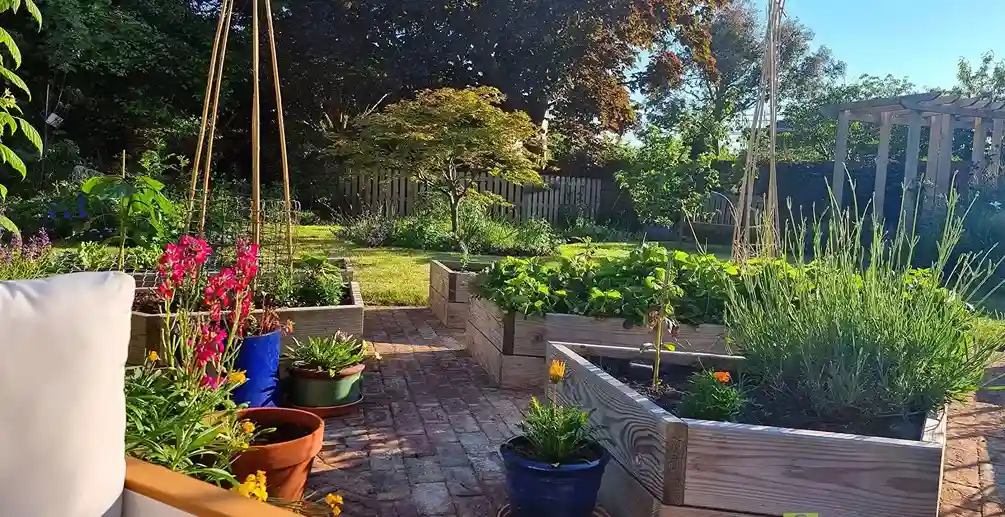
Most homeowners do not start searching for sustainable landscaping because they want to follow a trend. They do it because something is not working. Lawns that never dry. Patios that feel slippery in winter. Gardens that look good briefly, then slowly become hard work.
In Durham, these issues are common. Heavy rainfall, clay-heavy soil, and shaded gardens quickly expose weaknesses in traditional landscaping. This is why more people are now looking for sustainable landscaping options that solve problems instead of creating new ones. Sustainable landscaping is practical. It focuses on how a garden behaves over time, not just how it looks on day one.
What Sustainable Landscaping Really Means for Homeowners
Sustainable landscaping is often misunderstood as purely environmental. In reality, it is about making choices that reduce maintenance, improve safety and protect long-term garden performance.
For homeowners, sustainable landscaping UK principles usually focus on:
- Managing surface water naturally
- Creating stable, safe surfaces
- Choosing plants suited to local conditions
- Reducing ongoing repair and maintenance
These priorities matter more in Durham than many homeowners realise.
Why Sustainable Landscaping Is Well Suited to Durham
Durham’s climate makes some landscaping approaches unreliable. Waterlogged lawns, shifting ground, and moss-covered paving are familiar problems.
Sustainable landscaping options are designed to cope with:
- Regular rainfall
- Heavy or compacted soil
- Shaded or enclosed gardens
By working with these conditions rather than fighting them, sustainable gardens tend to last longer and perform better.
Permeable Paving and Paths
One of the most effective sustainable landscaping options for homes in Durham is permeable paving. Unlike traditional paving, permeable surfaces allow water to drain through instead of pooling on top. This reduces:
- Slippery paths
- Standing water
- Long-term surface damage
From a safety perspective, this directly supports sustainable landscaping for property safety. Paths stay usable during wet weather and are less likely to shift or crack over time.
Native and Climate-Appropriate Planting
Plant choice is often the difference between a low-maintenance garden and a constant problem.
Environmentally friendly landscaping for homeowners prioritises plants that suit the local climate and soil. Native and well-adapted plants:
- Grow more predictably
- Require less watering
- Need less cutting back
- Cause fewer structural issues
In Durham gardens, this approach reduces overgrowth, blocked paths, and damage to paving.
Sustainable Drainage Features
Sustainable drainage does not always mean complex systems. In many home gardens, simple design choices make a big difference.
Effective sustainable landscaping options include:
- Gravel borders and channels
- Rain gardens that absorb runoff
- Gently graded lawns and beds
These features manage water quietly and reliably, helping gardens stay safe and usable year-round.
Safer Layouts Through Simpler Design
One overlooked benefit of sustainable landscaping is clarity of layout.
Gardens designed sustainably tend to:
- Avoid unnecessary level changes
- Create clear access routes
- Reduce awkward transitions between surfaces
This improves sustainable garden safety practices, especially for families, older homeowners, and anyone using the garden daily.
Reduced Chemical Use and Health Benefits
Traditional gardens often rely on fertilisers, weed killers, and treatments just to cope with unsuitable planting or poor soil. Sustainable landscaping focuses on soil health and plant suitability instead. This reduces chemical use and creates safer outdoor spaces for children and pets. Healthier soil also improves drainage and plant resilience, reducing future problems.
Meeting Environmental Safety Standards Naturally
Many sustainable landscaping principles align closely with environmental safety standards for landscaping in the UK. These standards exist to prevent harm to people, property, and the wider environment.
Guidance influenced by bodies such as the Health and Safety Executive emphasises:
- Safe access
- Responsible water management
- Risk reduction through good design
By choosing sustainable landscaping options, homeowners often meet these expectations without needing specialist knowledge of compliance.
Long-Term Cost Benefits
Sustainable landscaping is sometimes assumed to be expensive. Upfront, it can be slightly higher. Over time, it is often cheaper.
Homeowners save money by:
- Avoiding repeated repairs
- Reducing maintenance tasks
- Cutting water and chemical use
Gardens that remain stable and predictable cost less to run over their lifetime.
Why Professional Planning Improves Results
Some sustainable changes can be done DIY, such as adjusting planting or reducing lawn size. However, drainage, ground preparation, and structural elements benefit from experience. Professional sustainable landscaping practices consider how water, soil, materials, and planting interact as a system. This prevents small design flaws from becoming long-term problems. At Landscapers Durham, sustainable landscaping is planned around long-term performance rather than short-term appearance.
Sustainable Landscaping Options That Work Best in Durham
Based on experience, the most reliable options for Durham homes include:
- Permeable patios and paths
- Native, low-maintenance planting
- Natural drainage solutions
- Clear, well-lit access routes
These are proven solutions, not experimental ideas.
Environmental Benefits Without Compromising Usability
A common concern is that sustainable gardens are less practical. In reality, they are often easier to live with.
Sustainable landscaping creates:
- Firmer ground
- Safer surfaces
- Lower maintenance demands
Usability improves rather than declines.
Final Thoughts
The best sustainable landscaping options for homes in Durham are those that solve everyday problems. Better drainage. Safer paths. Predictable planting. Lower maintenance. Sustainability is not about restriction. It is about smarter design choices that make gardens work better over time.
If you are considering sustainable landscaping and want options that suit your home and local conditions, Landscapers Durham can help. Get in touch to discuss practical, long-lasting solutions designed specifically for Durham gardens.
Frequently Asked Questions (FAQs)
What are the best sustainable landscaping options for homes in Durham?
The best options include permeable paving, native planting, sustainable drainage features, and low-maintenance garden layouts designed for Durham’s wet climate.
Is sustainable landscaping more expensive than traditional landscaping?
Upfront costs can be slightly higher, but sustainable landscaping usually costs less over time due to reduced maintenance, fewer repairs, and lower water use.
How does sustainable landscaping improve property safety?
It improves drainage, stabilises ground surfaces, and avoids overgrown planting, reducing slip, trip, and long-term structural hazards.
Can sustainable landscaping work in small gardens?
Yes. Sustainable landscaping is ideal for small gardens because it focuses on efficient use of space, simple layouts, and reliable materials.
Do I need a professional for sustainable landscaping in Durham?
For drainage, ground preparation, and long-term safety, professional planning helps ensure sustainable landscaping works properly and avoids costly mistakes.

