
Homeowners often like the idea of sustainable landscaping, but many are unsure how it actually works in practice. The principles sound sensible—better drainage, lower maintenance, safer gardens, and less environmental impact. The challenge comes in turning those principles into a garden that performs well year after year.
This is where professional sustainable landscaping makes a clear difference. In Durham, local conditions such as heavy rainfall, clay-heavy soil, and older properties mean sustainability cannot be left to guesswork. Professionals deliver sustainable landscaping by planning carefully, understanding how gardens behave over time, and designing problems out before they appear.
What Professional Sustainable Landscaping Really Involves
Professional sustainable landscaping is not about adding eco-friendly features at the end of a project. It starts at the very beginning.
Professionals look at:
- How water moves across the site
- Soil type and stability
- Existing levels and access routes
- How the space will actually be used
This approach ensures sustainability is built into the structure of the garden, not applied as a surface layer.
Site Assessment and Long-Term Planning
Every sustainable landscaping project begins with a proper site assessment. This stage is often overlooked by DIY projects, yet it determines whether the garden will succeed long term. Professionals assess drainage patterns, shaded areas, soil conditions, and nearby structures. In Durham, where gardens often sit on clay soil, understanding water retention is essential. Long-term planning focuses on how the garden will behave in five, ten, and fifteen years. This mindset is a defining feature of professional sustainable landscaping practices.
Designing for Drainage and Property Safety
One of the most important ways professionals deliver sustainable results is through drainage design.
Sustainable Drainage Solutions
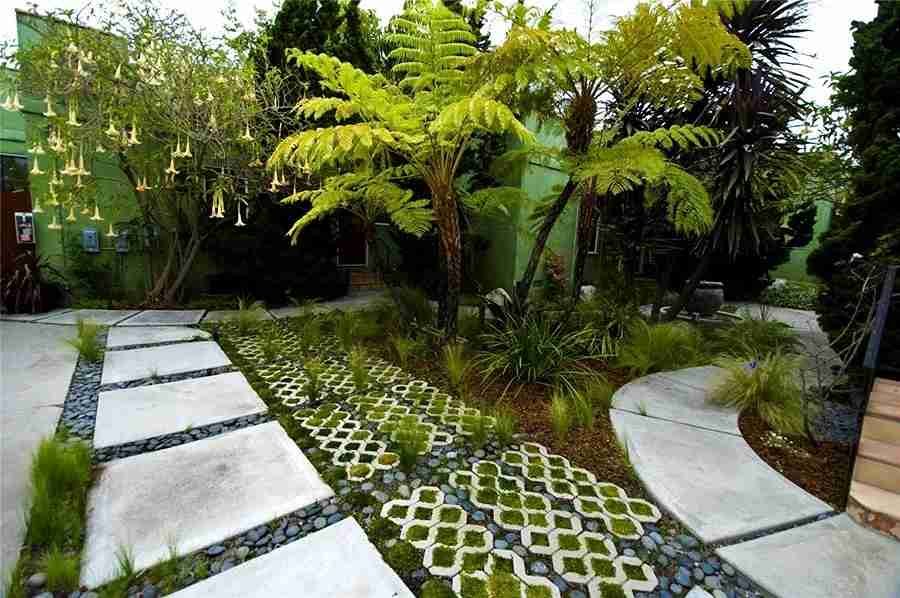
Rather than forcing water into hidden pipes, professionals use sustainable landscaping options such as permeable paving, gravel channels, and planting beds that absorb runoff naturally. This reduces standing water and surface damage. Good drainage directly supports sustainable landscaping for property safety by reducing slip hazards and preventing ground movement beneath paths and patios.
Creating Stable Ground and Safe Surfaces
Uneven ground is a common safety issue in gardens. It usually develops when surfaces are laid without proper preparation.
Professionals prioritise:
- Correct excavation depth
- Suitable sub-base materials
- Proper compaction
These steps create stable surfaces that remain level over time. From a safety perspective, this is as important as appearance.
Plant Selection Based on Performance, Not Trends
Plant choice is one of the most misunderstood parts of sustainable landscaping. Professionals select plants based on how they will behave, not how they look in the first year.
Environmentally friendly landscaping for homeowners focuses on:
- Native or climate-appropriate plants
- Predictable growth habits
- Low water and maintenance needs
This prevents overgrowth, blocked paths, and damage to hard landscaping, all of which are common long-term hazards.
Reducing Chemical Use Through Better Design
Professionals reduce reliance on herbicides and pesticides by designing gardens that do not need constant intervention. Healthy soil, suitable planting, and good drainage reduce pest and weed problems naturally. This creates safer gardens for children, pets, and wildlife while lowering ongoing costs.
Meeting Environmental Safety Standards
Sustainable landscaping must also meet broader safety and environmental expectations. Guidance influenced by the Health and Safety Executive and local councils shapes how landscaping should manage risk, drainage, and access. Professionals understand these standards and design accordingly. By following environmental safety standards for landscaping in the UK, professionals reduce the risk of disputes, enforcement action, or costly remedial work.
Integrating Safety Into Garden Layouts
Professional landscapers design gardens to be intuitive and safe to use.
This includes:
- Clear access routes
- Minimal unnecessary level changes
- Thoughtful placement of steps and edges
These sustainable garden safety practices are especially important in family homes and properties with older residents.
Sustainable Materials and Responsible Sourcing
Professionals also consider the materials used in landscaping projects.
Sustainable choices often include:
- Permeable paving materials
- Responsibly sourced timber
- Recycled aggregates
These materials perform well in UK conditions and support long-term durability while reducing environmental impact.
Managing Projects for Consistent Results
Delivering sustainable landscaping is not just about design. It is also about execution.
Professionals manage:
- Sequencing of work
- Quality control at each stage
- Coordination between groundwork and finishing
This ensures sustainability goals are not compromised by rushed decisions or shortcuts during installation.
Why Professional Experience Matters in Durham
Durham’s gardens present specific challenges. Heavy rain, compacted soil, and older layouts mean sustainability requires local knowledge. At Landscapers Durham, professional sustainable landscaping is shaped by real experience of what works locally. Designs are adapted to conditions rather than copied from generic templates. This local understanding is what turns sustainability from a concept into a reliable outcome.
Long-Term Value of Professional Sustainable Landscaping
Gardens delivered sustainably by professionals tend to:
- Require less maintenance
- Remain safer over time
- Avoid repeated repairs
- Add long-term property value
While professional work may cost more upfront, it usually saves money and effort over the life of the garden.
Common Problems Professionals Help Avoid
Professional sustainable landscaping prevents issues such as:
- Persistent water pooling
- Sinking patios and paths
- Overgrown, unsafe planting
- Repeated maintenance cycles
These problems are rarely accidents. They are design failures that professionals are trained to avoid.
Final Thoughts
Professionals deliver sustainable landscaping projects by thinking beyond appearance. They plan for drainage, safety, soil health, and long-term performance from the outset. For homeowners, this means gardens that work properly year after year instead of slowly becoming problems. Sustainability is not added at the end. It is built into every decision.
If you want sustainable landscaping that is planned properly and delivered with long-term performance in mind, Landscapers Durham can help. Get in touch to discuss how professional sustainable landscaping can improve safety, usability, and value in your Durham garden.
Frequently Asked Questions (FAQs)
What is professional sustainable landscaping?
Professional sustainable landscaping involves planning, designing, and building gardens that manage water properly, improve safety, reduce maintenance, and perform well long-term.
Why should I hire professionals for sustainable landscaping projects?
Professionals understand drainage, soil conditions, safety standards, and long-term behaviour, helping prevent costly mistakes and future repairs.
How do professionals ensure landscaping meets sustainability goals?
They assess the site, design around local conditions, select suitable materials and plants, and follow UK environmental and safety standards throughout the project.
Does professional sustainable landscaping improve property safety?
Yes. It reduces slip hazards, stabilises ground surfaces, improves visibility, and prevents long-term issues caused by poor drainage or shifting ground.
Is professional sustainable landscaping more expensive?
Initial costs can be higher, but professional work often saves money over time through lower maintenance, fewer repairs, and longer-lasting results.

