
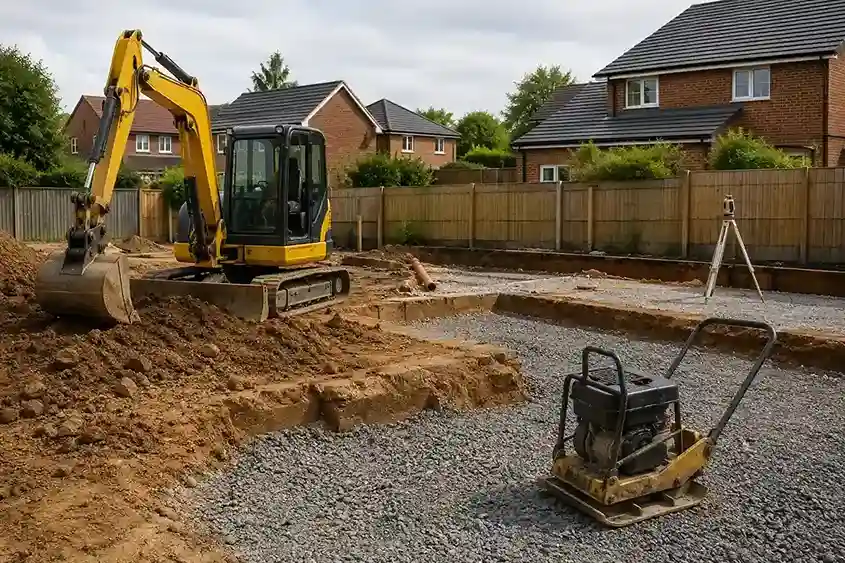
When planning any construction, landscaping, driveway, or property development project, proper groundwork is the foundation of success. Whether you’re installing a new patio, constructing an extension, laying a driveway, or undertaking a complete garden transformation, groundwork services in Durham play a crucial role in ensuring the stability, safety, and longevity of the finished project.
For homeowners and businesses in Durham, preparing your property before groundwork begins can help the process run smoothly, reduce delays, and prevent unexpected costs. Professional groundwork contractors can handle excavation, drainage installation, site clearance, foundations, and other essential tasks, but there are several steps property owners can take beforehand to ensure the project starts on the right foot.
Understanding Groundwork Services
Groundwork refers to the preparation of land before construction or landscaping work begins. It creates a stable base for buildings, driveways, patios, drainage systems, and other structures.
Groundwork services commonly include:
- Site clearance
- Excavation and earthworks
- Ground levelling
- Foundation preparation
- Drainage installation
- Utility trenching
- Soil stabilisation
- Sub-base construction
Professional groundwork contractors in Durham have the equipment, expertise, and knowledge required to complete these tasks safely and efficiently.
Assess Your Project Requirements
Before any groundwork starts, it’s important to have a clear understanding of your project goals.
Ask yourself:
- What is being built or installed?
- How large is the project area?
- Will drainage systems be required?
- Are foundations needed?
- Will heavy machinery need access to the site?
Having a detailed project plan allows groundwork contractors to accurately assess the site and recommend the most suitable preparation methods. The more information you provide during the planning stage, the easier it will be to develop a realistic timeline and budget.
Arrange a Professional Site Survey
One of the most important steps in preparing for groundwork services is arranging a site survey.
During a survey, contractors evaluate:
- Soil conditions
- Ground stability
- Drainage issues
- Access restrictions
- Existing structures
- Utility locations
- Potential obstacles
A professional survey helps identify any challenges before work begins, reducing the risk of delays and unexpected expenses later in the project. Groundwork contractors in Durham use survey findings to determine the best excavation and preparation techniques for your property.
Clear the Work Area
Removing obstacles from the site helps contractors work safely and efficiently.
Before groundwork begins, consider removing:
- Garden furniture
- Children’s play equipment
- Plant pots
- Decorative features
- Outdoor storage units
- Vehicles
- Temporary structures
If trees, shrubs, or plants are located within the work area, discuss them with your contractor beforehand. In some cases, landscaping features may need to be relocated or protected during the project. A clear workspace enables machinery and workers to access the site without unnecessary interruptions.
Identify Underground Utilities
One of the most critical aspects of groundwork preparation is identifying underground services.
Properties may contain:
- Water pipes
- Gas lines
- Electrical cables
- Sewer connections
- Telecommunications infrastructure
Damaging underground utilities can cause serious safety hazards and costly repairs. Professional groundwork contractors typically conduct utility checks before excavation begins, but property owners should provide any available site plans or utility information. If you’re aware of previous installations or modifications on your property, share these details with your contractor.
Ensure Access for Machinery
Groundwork projects often require heavy equipment such as:
- Excavators
- Dumpers
- Mini diggers
- Compaction machinery
- Earthmoving equipment
Before work begins, assess whether contractors can easily access the site.
Consider:
- Gate widths
- Driveway access
- Nearby obstacles
- Parking availability
- Property boundaries
Restricted access may require smaller machinery or alternative approaches, which can affect project timelines and costs. Providing clear access helps contractors complete the work more efficiently.
Discuss Drainage Requirements
Drainage plays a vital role in most groundwork projects.
Poor drainage can lead to:
- Standing water
- Soil erosion
- Foundation movement
- Flooding issues
- Structural damage
Groundwork contractors in Durham will assess drainage conditions and recommend appropriate solutions.
Depending on the project, this may include:
- Land drainage systems
- Soakaways
- Surface water channels
- French drains
- Underground drainage networks
Addressing drainage requirements during the groundwork phase helps prevent future problems and protects your investment.
Inform Neighbours About the Project
Groundwork activities can generate noise, vibration, and increased vehicle traffic. As a courtesy, it’s often helpful to inform neighbouring properties about upcoming work.
Providing advance notice can help:
- Manage expectations
- Reduce complaints
- Maintain good relationships
- Avoid misunderstandings
For larger projects, contractors may also need temporary access arrangements or coordination with neighbouring properties. Good communication contributes to a smoother project experience for everyone involved.
Prepare for Temporary Disruption
Groundwork projects inevitably create some disruption around the property.
Depending on the scope of work, you may experience:
- Noise from machinery
- Dust and debris
- Restricted access areas
- Temporary loss of parking
- Changes to garden usability
Planning ahead can minimise inconvenience.
You may wish to:
- Relocate vehicles
- Protect outdoor belongings
- Restrict access for children and pets
- Arrange alternative parking
Understanding the expected disruption allows you to make practical arrangements before work starts.
Obtain Necessary Permissions
Some groundwork projects may require planning permission or building regulation approval.
Examples include:
- Property extensions
- Major drainage alterations
- Retaining walls
- Significant land modifications
Your contractor can often advise whether permissions are needed. Ensuring all approvals are in place before work begins helps avoid legal complications and project delays. It’s always best to verify requirements with your local authority if you’re unsure.
Protect Valuable Landscaping Features
If your property contains valuable landscaping elements, discuss protection measures with your contractor.
Examples include:
- Mature trees
- Decorative paving
- Garden structures
- Irrigation systems
- Flower beds
Protective barriers and designated exclusion zones can help prevent accidental damage during excavation and construction activities. Taking preventative measures is usually far more cost-effective than repairing damaged features later.
Establish a Realistic Timeline
Weather conditions, soil quality, site access, and project complexity can all influence groundwork schedules. Work with your contractor to establish a realistic timeline that includes:
- Site preparation
- Excavation
- Drainage installation
- Foundation works
- Ground levelling
- Final inspections
Understanding project milestones helps manage expectations and ensures everyone remains aligned throughout the process. Professional groundwork contractors in Durham will provide guidance on anticipated timelines and potential factors that could affect progress.
Work with Experienced Groundwork Contractors
Choosing experienced groundwork contractors is one of the most important decisions you’ll make.
A reputable contractor will:
- Conduct detailed site assessments
- Provide transparent quotations
- Follow health and safety regulations
- Use appropriate machinery
- Deliver quality workmanship
- Communicate clearly throughout the project
Professional expertise helps ensure your groundwork is completed correctly, providing a solid foundation for all future construction or landscaping work. When comparing contractors, look for experience, customer reviews, previous project examples, and comprehensive service offerings.
Why Groundwork Preparation Matters
Proper preparation benefits both property owners and contractors.
Advantages include:
- Faster project completion
- Improved site safety
- Reduced risk of delays
- Better budget control
- Enhanced construction quality
- Long-term structural stability
Investing time in preparation before groundwork begins often leads to smoother project delivery and better overall outcomes.
Conclusion
Groundwork is the foundation of any successful construction or landscaping project. By preparing your property properly before work begins, you can help minimise delays, improve efficiency, and ensure the best possible results. From arranging site surveys and identifying underground utilities to clearing access routes and discussing drainage requirements, every preparation step contributes to a safer and more successful project. If you’re planning a construction, landscaping, driveway, or development project, working with experienced Groundwork Contractors Durham can make all the difference.

