
Choosing the right surface for your garden is no longer as simple as picking natural grass. In recent years, homeowners across Durham and the UK have been switching to low-maintenance alternatives, with artificial turf vs artificial grass becoming one of the most common comparisons in modern landscaping.
But here’s the truth—many people assume they are the same thing. While they are closely related, there are subtle differences in usage, design, and purpose that can significantly affect your outdoor space. At Landscapers Durham, we’ve installed both residential gardens and commercial outdoor areas, and we’ve seen first-hand how the right choice can completely transform a property.
Understanding Artificial Turf and Artificial Grass
Artificial Grass: Artificial grass is designed to replicate the look and feel of a natural lawn. It is typically softer, more decorative, and used in residential gardens, patios, balconies, and play areas. It focuses heavily on appearance and comfort, making it ideal for family homes in Durham where aesthetics matter.
Artificial Turf: Artificial turf, on the other hand, is built for durability and performance. It is commonly used in sports fields, training grounds, and high-traffic commercial areas. It is stronger, denser, and designed to withstand heavy usage without flattening quickly.
Artificial Turf vs Artificial Grass: Key Differences
Now let’s break down the main differences in a simple, practical way.
1. Purpose and Usage
- Artificial grass → Residential gardens, decorative landscaping, pet areas
- Artificial turf → Sports pitches, gyms, schools, commercial spaces
The biggest difference lies in intention—comfort vs performance.
2. Appearance and Texture
Artificial grass is made to look like a freshly cut lawn. It has softer fibres and a more natural colour blend. Artificial turf is more uniform and structured. It prioritises durability over aesthetics, so it may not always look as natural.
3. Durability and Lifespan
In our experience at Landscapers Durham, artificial turf can handle significantly more wear and tear.
- Artificial turf: 10–15 years (heavy use)
- Artificial grass: 8–12 years (residential use)
The lifespan depends heavily on installation quality and maintenance.
4. Maintenance Requirements
Both options are Artificial Grass Maintenance Tips compared to natural grass, but there are differences:
- Artificial grass: occasional brushing and cleaning
- Artificial turf: more frequent maintenance in high-use areas
Neither requires mowing, watering, or fertilising, which is why many Durham homeowners are making the switch.
5. Cost Differences
Generally:
- Artificial grass is more affordable for home installations
- Artificial turf can be more expensive due to its strength and structure
However, installation costs also depend on ground preparation, drainage, and area size.
Why Homeowners in Durham Are Choosing Artificial Lawns
Durham weather can be unpredictable—rain, frost, and muddy gardens are common challenges for homeowners.
That’s why artificial lawns have become so popular. They offer:
- A clean, mud-free garden all year round
- No mowing or maintenance stress
- Safe play areas for children
- Pet-friendly surfaces
- Improved outdoor appearance instantly
At Landscapers Durham, we’ve noticed a growing trend: homeowners no longer want to spend weekends maintaining lawns—they want to enjoy them instead.
Real-Life Example from Durham Projects
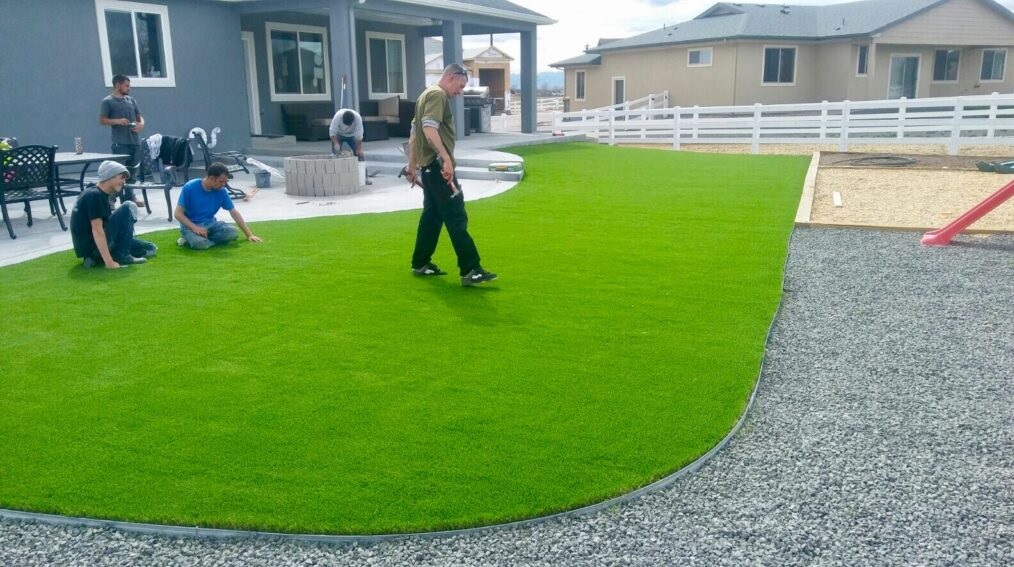
One of our recent projects involved a family garden in Durham with heavy foot traffic from children and pets. The natural grass had become patchy and muddy during winter. We replaced it with high-quality artificial grass, complete with proper drainage and edging. The result was a clean, usable garden all year round, even after heavy rainfall. This kind of transformation is becoming more common as homeowners realise the long-term benefits.
Installation Matters More Than the Product
Whether you choose artificial turf or artificial grass, installation quality is the most important factor.
Poor installation can lead to:
- Uneven surfaces
- Drainage problems
- Early wear and tear
- Visible seams
At Landscapers Durham, we always focus on proper groundwork, drainage layers, and precise fitting. This ensures your lawn not only looks good but lasts for years.
Environmental Considerations
Many people assume artificial lawns are not eco-friendly, but there are positives:
- Reduces water usage
- Eliminates need for fertilisers and pesticides
- Long lifespan reduces replacement waste
However, it’s also important to choose high-quality, recyclable materials wherever possible.
Which One Should You Choose?
The choice between artificial turf vs artificial grass depends on your needs:
- If you want a beautiful garden space at home → choose artificial grass
- If you need a high-strength surface for heavy use → choose artificial turf
For most homeowners in Durham, artificial grass is the preferred option due to its natural appearance and comfort.
Expert Advice from Landscapers Durham
From years of experience, we recommend always considering:
- Garden usage (family, pets, entertainment)
- Budget and long-term value
- Drainage and ground conditions
- Desired appearance
A professional consultation can help you avoid costly mistakes and ensure the right choice for your property.
Conclusion
The difference between artificial turf and artificial grass comes down to purpose, durability, and appearance. While they are often used interchangeably, understanding their strengths helps you make a smarter landscaping decision. If you are planning to upgrade your outdoor space in Durham, both options offer excellent long-term benefits when installed correctly. At Landscapers Durham, we specialise in creating durable, low-maintenance, and visually stunning outdoor spaces tailored to your needs.
Frequntly Asked Questions (FAQs)
What is the main difference between artificial turf and artificial grass?
The main difference is their purpose. Artificial grass is designed for residential gardens and aesthetics, while artificial turf is made for heavy-use areas like sports fields and commercial spaces.
Is artificial grass better than artificial turf for home gardens?
Yes, in most cases. Artificial grass is softer, more natural-looking, and more comfortable, making it ideal for home gardens in Durham.
How long does artificial grass last?
High-quality artificial grass can last between 8 to 12 years, depending on installation quality, usage, and maintenance.
Does artificial turf require maintenance?
Yes, but very little. It may need occasional brushing and cleaning, especially in high-traffic areas, but it does not require mowing or watering.
Is artificial grass safe for children and pets?
Yes, modern artificial grass is designed to be safe, non-toxic, and soft, making it suitable for both children and pets.
Does artificial grass drain water properly?
Yes, good-quality artificial grass is installed with proper drainage systems that allow rainwater to pass through easily, preventing puddles.
Can artificial turf be used in a garden?
It can be used, but it is usually not ideal for home gardens because it is more rigid and designed for sports or heavy usage areas.

