
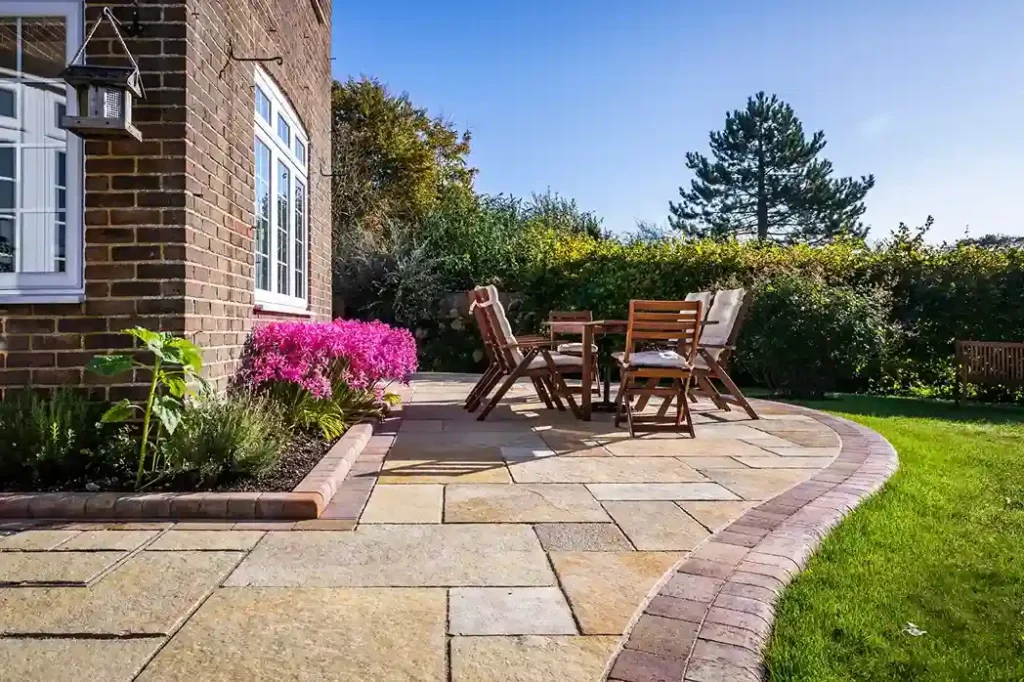
Sustainability in landscaping is no longer a trend. In Durham, it has become a practical necessity. Heavy rainfall, clay-based soils, and changing weather patterns mean gardens must be built to last. Poorly planned landscaping quickly leads to drainage issues, unstable surfaces, and constant maintenance.
Professional sustainable landscaping practices focus on solving these long-term challenges. Instead of chasing appearance alone, they prioritise structure, water management, plant suitability, and durability. When done properly, sustainable landscaping protects both your property and the environment.
Understanding Durham’s Landscaping Challenges
Durham presents specific conditions that influence every outdoor project. Rainfall levels are higher than in many parts of the UK. Clay-heavy soil retains water and expands during wet periods. Older properties often have uneven garden levels.
These factors increase the risk of:
- Standing water
- Sinking patios
- Soil erosion
- Moss growth
- Structural movement
Professional sustainable landscaping begins by analysing these conditions before any materials are ordered.
Site Assessment Comes First
No professional project should begin without a proper site assessment. This step determines how water flows across the garden, where ground levels sit, and how stable the soil is.
A thorough assessment includes:
- Identifying drainage routes
- Testing soil composition
- Checking for underground services
- Measuring slopes and boundaries
Skipping this stage often results in future problems. Sustainable landscaping works because it addresses risks before construction begins.
Sustainable Drainage Systems
Water management is the backbone of sustainable landscaping in Durham. Without proper drainage, even the most attractive design will fail over time.
Professional practices include:
- Permeable paving that allows rainwater to soak through instead of pooling on the surface.
- Graded surfaces that gently direct water away from buildings.
- Drainage channels are positioned strategically to prevent water accumulation.
These measures reduce slip hazards and prevent long-term structural damage.
Responsible Material Selection
Professional sustainable landscaping prioritises materials that perform well in local conditions. Porcelain paving is popular because of its durability and low water absorption. Natural stone can also perform well when installed correctly. Recycled aggregates are often used in sub-bases to reduce environmental impact without compromising strength. Material selection is never just about appearance. It is about how the product behaves over the years of use in Durham’s climate.
Native and Climate-Appropriate Planting
Plant choice is one of the most important elements of sustainable landscaping. Professionals select plants suited to local soil and weather patterns. Native and climate-appropriate species require less watering, fewer chemical treatments, and reduced maintenance. This approach improves biodiversity while keeping gardens manageable. It also prevents aggressive root systems from damaging hard landscaping features.
Ground Preparation and Sub-Base Standards
A sustainable garden must be stable beneath the surface. Professional landscaping practices focus heavily on groundwork. Excavation is carried out to a suitable depth. Sub-base materials are layered and compacted properly. Edging is installed to prevent lateral movement. This preparation ensures patios and paths remain level and secure for decades rather than shifting within a few years.
Minimising Chemical Use
Traditional gardens often rely heavily on herbicides and fertilisers. Sustainable landscaping reduces this dependency by improving soil health and selecting resilient planting. Healthy soil supports plant growth naturally. Composting and organic soil amendments improve structure and reduce erosion. Reducing chemical input makes gardens safer for children, pets, and local wildlife.
Designing for Property Safety
Professional sustainable landscaping practices also focus on safety. Clear pathways reduce trip hazards. Proper lighting improves visibility during winter evenings. Stable surfaces minimise slipping in wet conditions. These considerations are built into the design phase rather than treated as afterthoughts.
Long-Term Maintenance Planning
Sustainability includes planning for the future. A professionally designed garden should not require constant intervention.
Maintenance planning considers:
- Plant growth rates.
- Access for cleaning and care.
- Durable jointing systems.
- Ease of drainage inspection.
By reducing long-term maintenance demands, homeowners save both time and money.
Environmental Compliance and Standards
Professional landscapers understand environmental regulations that influence drainage and surface water management. In the UK, sustainable drainage is encouraged to reduce flood risk and protect neighbouring properties. Following these standards ensures projects meet legal expectations while contributing positively to the wider environment.
Why Professional Expertise Matters
Sustainable landscaping is not achieved by adding eco-friendly features at the end of a project. It requires planning, technical knowledge, and local experience. In Durham, small miscalculations in drainage or sub-base depth can lead to costly repairs within a few years.
At Landscapers Durham, projects are structured around long-term performance. Every stage, from site assessment to finishing touches, is guided by sustainability principles. Professional expertise ensures gardens remain functional, safe, and attractive for many years.
The Financial Perspective
Sustainable landscaping is sometimes perceived as more expensive. While initial costs may be slightly higher due to quality materials and preparation, the long-term savings are significant. Reduced repairs, lower maintenance costs, and fewer replacements create measurable financial benefits over time. Investing in professional sustainable landscaping is often more economical than repeatedly correcting poor workmanship.
Real Benefits for Durham Homeowners
When professional sustainable landscaping practices are applied correctly, homeowners experience:
- Improved drainage during heavy rain.
- Stable, long-lasting patios and paths.
- Lower garden maintenance demands.
- Safer outdoor spaces.
- Increased property appeal.
These benefits extend beyond appearance. They protect your investment.
Final Thoughts
Professional sustainable landscaping in Durham focuses on durability, safety, and smart design. It takes local soil, rainfall, and environmental standards into account from the start. With proper groundwork, drainage, and suitable materials, gardens remain stable and reliable for years. Sustainability is about creating outdoor spaces that work naturally with their surroundings. At Landscapers Durham, the goal is to deliver long-lasting solutions that protect both your property and the environment.

