
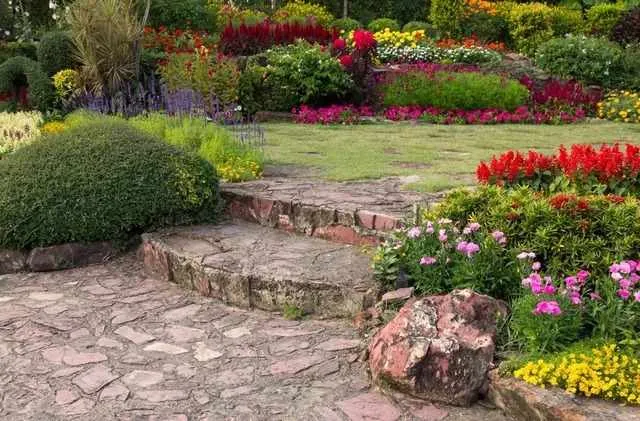
Most homeowners do not think of landscaping as a safety issue until something goes wrong. A slippery path after rain. A step that sinks over time. A garden that feels awkward or risky to move through in winter. This is where the idea that landscaping improves property safety becomes very real. In Durham, where heavy rainfall, clay soils, and older properties are common, the way a garden is designed can either reduce risk or quietly create it.
What Sustainable Landscaping Means for Property Safety
Sustainable landscaping is often described as eco-friendly, but for homeowners, it is also practical and preventative. It means designing gardens that manage water, support stable ground, and stay usable in all seasons.
In the UK, sustainable landscaping UK practices typically focus on:
- Natural drainage and water control
- Soil stability and long-term ground support
- Safe access around paths, steps, and entrances
- Reduced reliance on chemicals and constant repairs
Each of these elements plays a role in keeping a property safer over time.
How Drainage Design Reduces Garden Hazards
Good drainage prevents standing water that causes slippery paths and unstable ground. It protects patios and walkways from sinking or cracking over time. Well-designed drainage keeps gardens usable and safe during heavy rain and winter months.
Managing Water Before It Becomes a Problem
Poor drainage is one of the most common causes of garden-related accidents. Standing water leads to slippery surfaces and weak ground, especially during winter.
Sustainable landscaping options such as permeable paving, gravel paths, and planting beds designed to absorb water help prevent pooling. In Durham, these features can dramatically reduce slip risks after heavy rain.
Preventing Long-Term Surface Failure
When water is not managed properly, it slowly undermines patios, paths, and steps. Sustainable designs allow water to drain naturally instead of forcing it into hidden systems that clog over time.
Stable Ground Means Safer Movement
Traditional landscaping often focuses on appearance rather than structure. Over time, shallow foundations and compacted soil settle unevenly.
Sustainable landscaping prioritises:
- Proper base preparation
- Soil health and structure
- Materials suited to local conditions
The result is ground that stays level and predictable. For families, older homeowners, and anyone using the garden daily, that stability directly improves safety.
Planting Choices That Reduce Risk
Plant selection is rarely discussed as a safety issue, but it should be.
Fast-growing or poorly chosen plants can:
- Obstruct paths and entrances
- Hide changes in level
- Damage to paving with aggressive roots
Sustainable garden safety practices favour native and well-behaved plants that grow predictably. This keeps sightlines clear and reduces maintenance risks.
Reduced Chemical Use and Health Safety
Heavy use of pesticides and herbicides introduces risks that many homeowners overlook. Exposure affects children, pets, and wildlife. Environmentally friendly landscaping for homeowners focuses on soil health and plant resilience instead of chemical control. This reduces health risks while also improving long-term garden performance.
Environmental Safety Standards in the UK
Landscaping can affect more than just your own property. Changes to drainage or access can impact neighbours and public spaces. Guidance from the Health and Safety Executive and local council policies influences how landscaping should be carried out, especially where water management is involved. Meeting environmental safety standards for landscaping in the UK helps homeowners avoid disputes, enforcement action, and costly rework.
Why Professional Input Often Makes the Difference
While some sustainable improvements can be done DIY, safety-critical elements benefit from experience. Professional sustainable landscaping practices consider how drainage, materials, planting, and maintenance interact as a system. This reduces failure points that are easy to miss without training. At Landscapers Durham, sustainable landscaping is planned with long-term safety in mind, not just short-term appearance.
Sustainable Landscaping Options That Improve Safety
For Durham homeowners, effective options often include:
- Permeable driveways and paths
- Level transitions between surfaces
- Native planting near access routes
- Low-glare, energy-efficient garden lighting
These choices improve safety without making gardens feel clinical or over-engineered.
Long-Term Safety and Property Value
Gardens that feel safe, solid, and easy to move through add value in ways buyers notice instinctively. Good drainage, stable surfaces, and clear layouts create confidence. Over time, sustainable landscaping reduces repair costs and prevents the slow decline that turns outdoor spaces into liabilities.
Final Thoughts
Sustainable landscaping is one of the most overlooked ways to improve property safety at home. By managing water, stabilising ground, and planning planting properly, it prevents many of the hazards homeowners accept as unavoidable. For properties in Durham, it is often the most sensible long-term choice. If you want a garden that is safer, more reliable, and built to last, Landscapers Durham can help you plan sustainable landscaping that genuinely improves property safety. Get in touch to discuss options tailored to your home.
Frequently Asked Questions (FAQs)
How does sustainable landscaping improve property safety?
It improves drainage, stabilises ground surfaces, and keeps paths and entrances clear, reducing slip, trip, and long-term structural risks.
Is sustainable landscaping suitable for older properties in Durham?
Yes. Sustainable methods are well-suited to older homes because they manage water more effectively and reduce ground movement around foundations.
Do sustainable landscaping features require more maintenance?
No. Most sustainable landscaping features reduce maintenance by preventing water damage, erosion, and plant overgrowth.
Are there UK regulations homeowners should be aware of?
Yes. Landscaping that affects drainage or access may need to meet local council requirements and environmental safety standards.
Should I hire a professional for safety-focused landscaping?
For drainage, level changes, and structural features, professional planning helps avoid costly mistakes and ensures long-term safety.

